Despite some progress, gender inequality in politics remains one of the most visible and persistent forms of gender inequality in Montenegro.



GENDER PROFILE MONTENEGRO
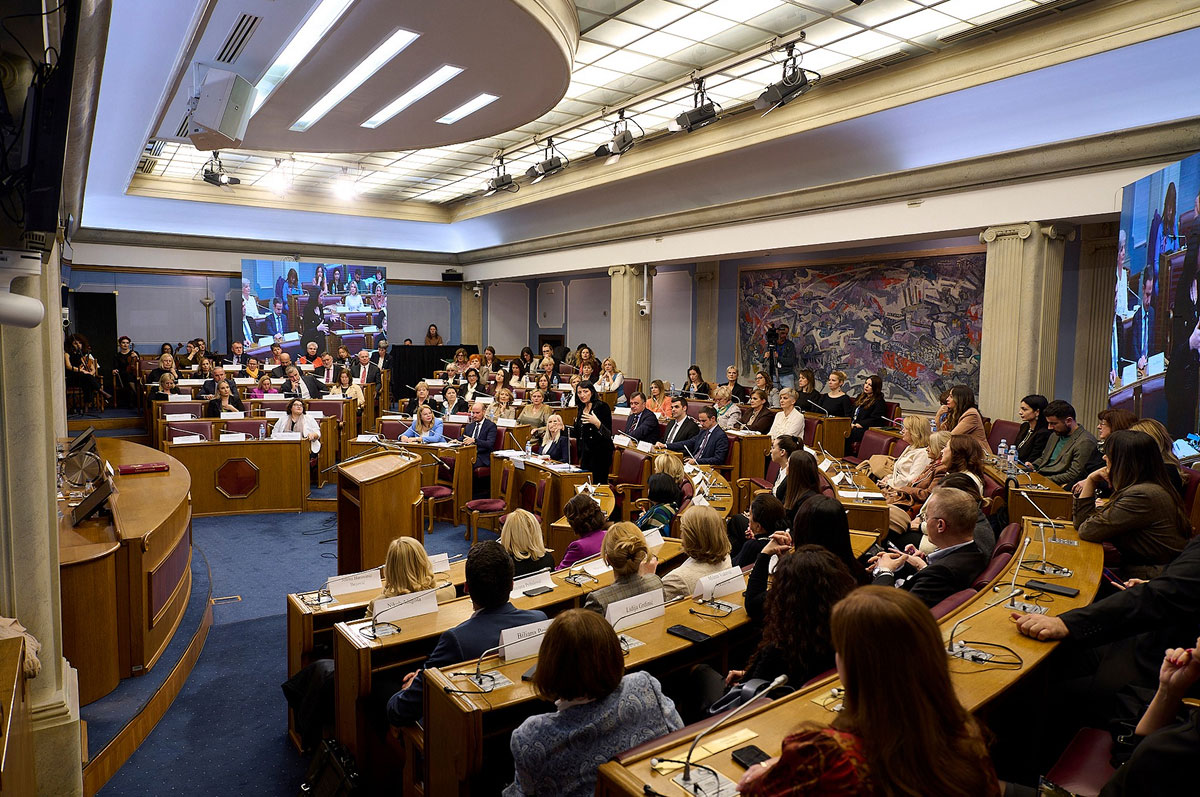
Despite some progress, gender inequality in politics remains one of the most visible and persistent forms of gender inequality in Montenegro.
Since the introduction of gender quotas in the Law on Election of Councilors and Members of Parliament in 2011, the representation of women in Parliament has increased. The law mandates that at least 30% of each electoral list must include candidates from the underrepresented sex, with placement rules introduced in 2014, which stipulate that among every four candidates in the candidate list order (the first four places, the second four places, and so on until the end of the list), there shall be at least one candidate who is a member of the underrepresented sex.
Yet, women still make up less than a third of all MPs. After the 2023 elections, 28% of the Parliament consists of women, which is below the EU average of 32.7%. Importantly, women often enter Parliament after male MPs resign to take on executive roles, not through initial electoral victories.
Notice: Intense colors represent absolute values (number of people), while lighter shades represent percentages (%).
In political party structures, progress has also been limited. Currently, no political party in Montenegro is led by a woman, and few have achieved 30% representation of women in their main governing bodies. The Law on Financing Political Entities was amended in 2019 and now allocates specific funding for women’s wings within parties. In 2024, parties received €693,500 for these activities, but monitoring shows inconsistent use of these funds.
Committee work also reflects gender disparity. Women are most represented in the Gender Equality Committee, but absent in critical bodies such as the Committee on Political System, Judiciary, and Administration, which influences key state and legal reforms.
At the local level, only 33.8% of councilors in municipal assemblies are women, and men serve as mayors across 25 municipalities. Leadership roles remain male-dominated, reinforcing the idea that real power is still reserved for men.
Structural and cultural barriers continue to limit women’s political ambitions and opportunities. Gender stereotypes persist across society, with 43.7% of young people believing it’s undesirable for women to earn more than men. Two-thirds of women cite household responsibilities as the main reason for not entering politics.
The Gender Equality Index for Montenegro shows one of the country/s lowest scores in the area of power (44.1), highlighting the urgent need for systemic change.
Achieving gender parity in politics is not only about fairness — it’s about better governance, stronger democracy, and building a society that reflects the voices and experiences of all its citizens.
Montenegro has never had a woman as a prime minister, president, or leader of a parliamentary party....
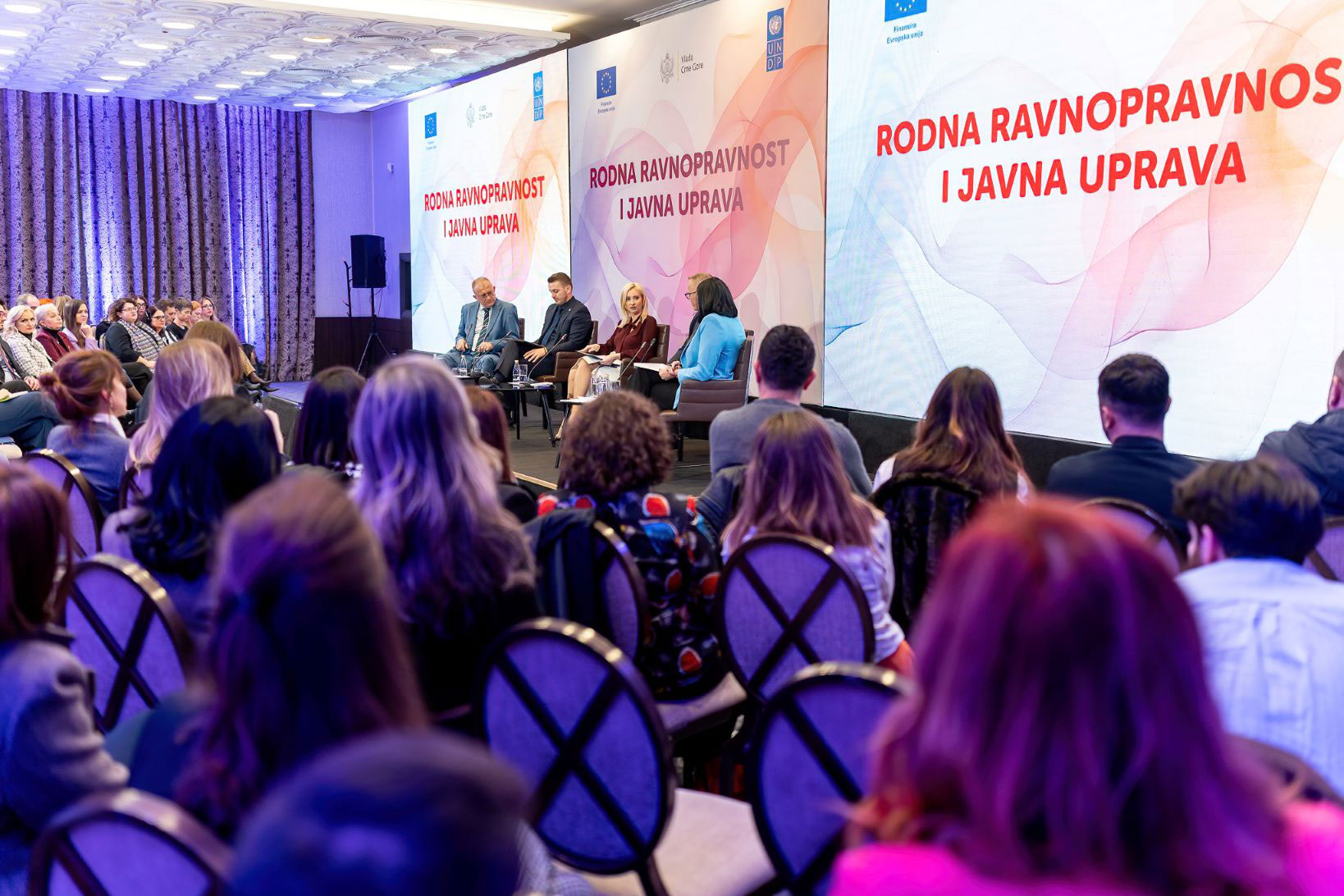
Over 80% of public administration employees report that institutions rarely or never conduct gender ...
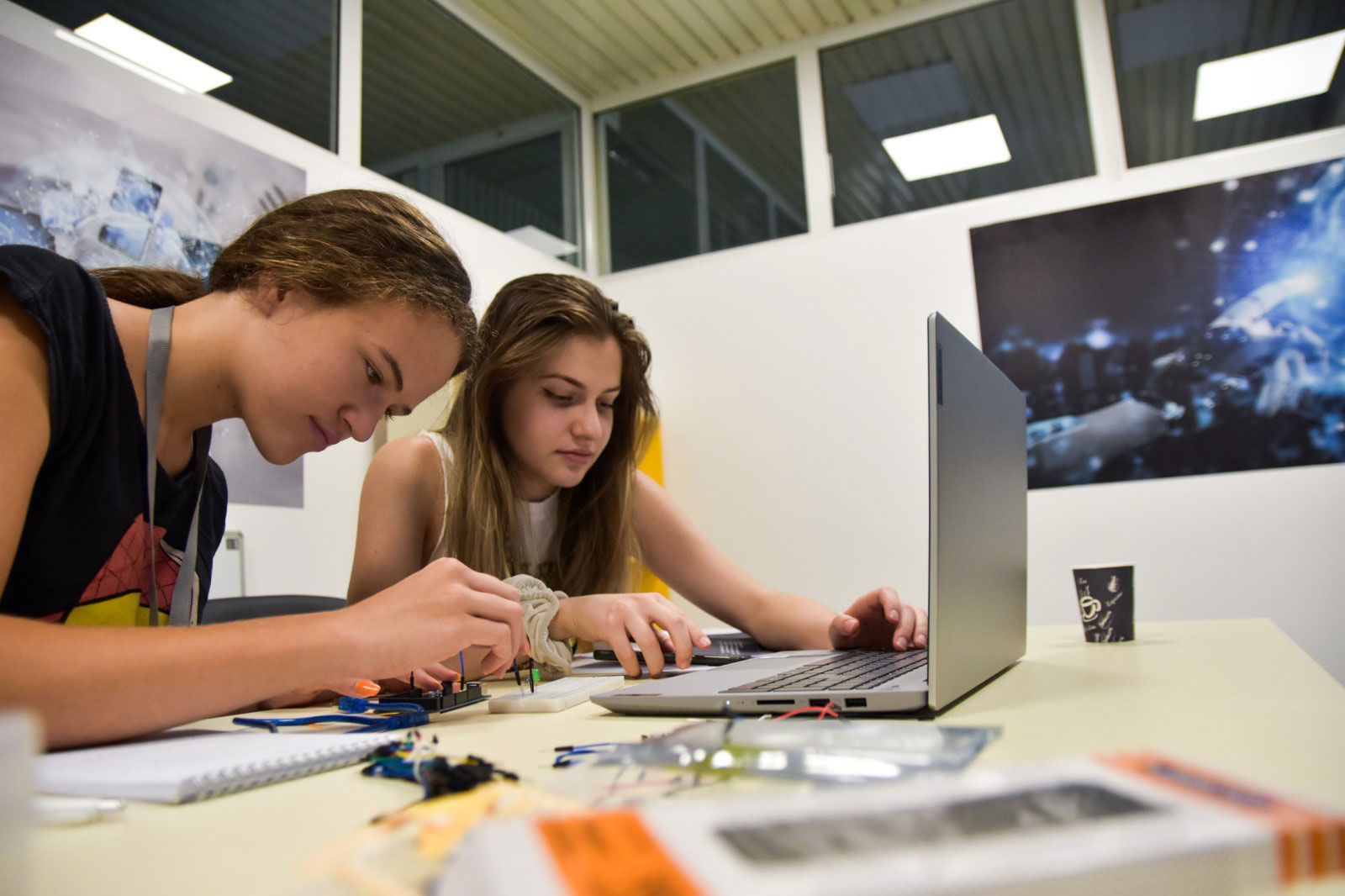
Women are the majority among bachelor's, master's, and doctoral degree holders in Montenegro but occ...
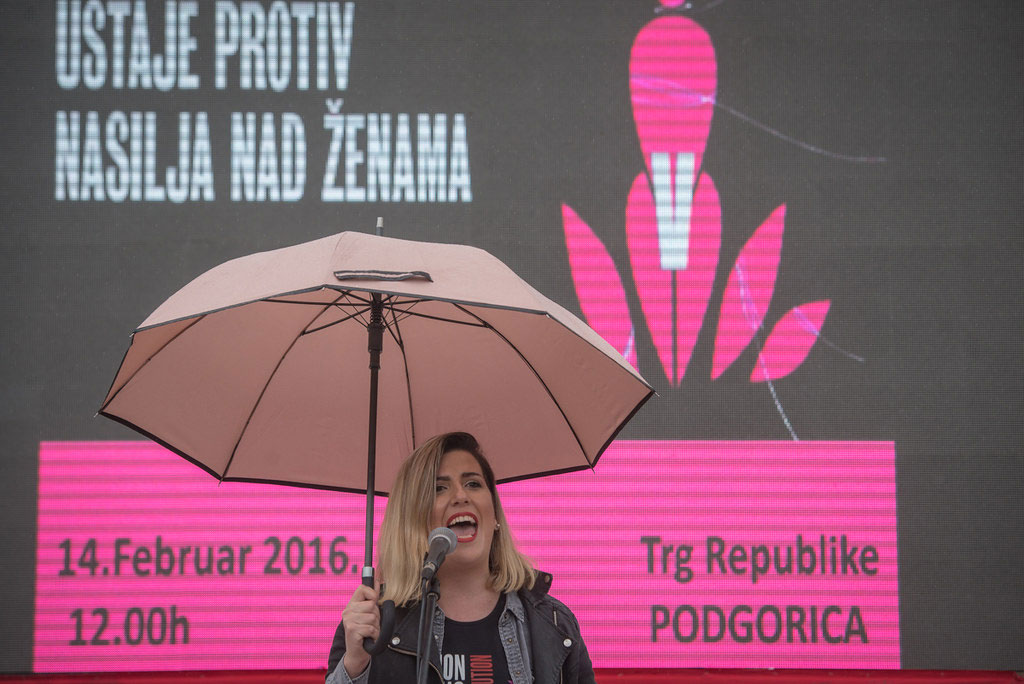
Women consistently make up the majority of the unemployed. Around 48% of citizens believe that the m...
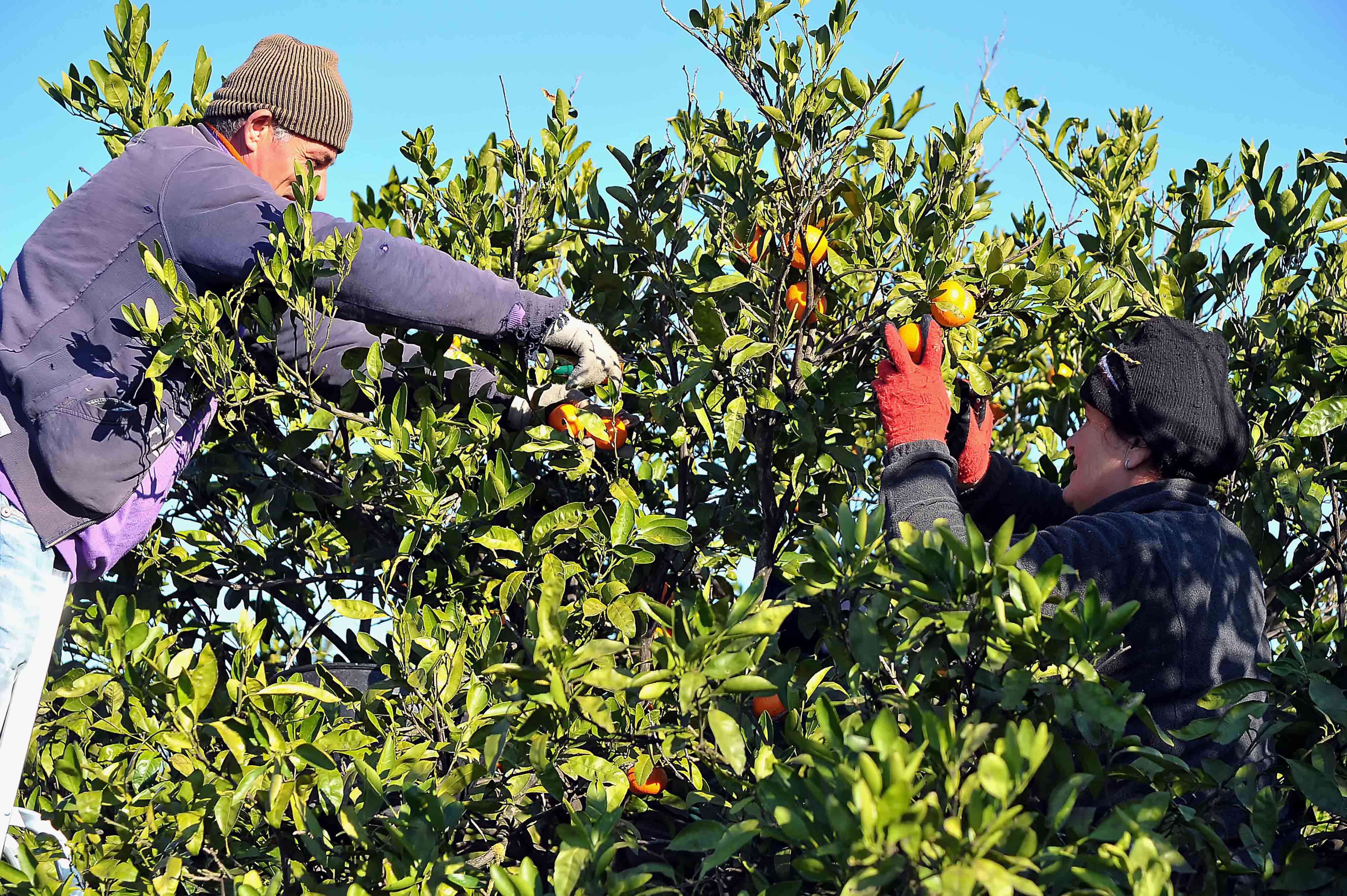
Only 13% of farm holders and 32% of agricultural landowners or co-owners are women. Women in rural a...
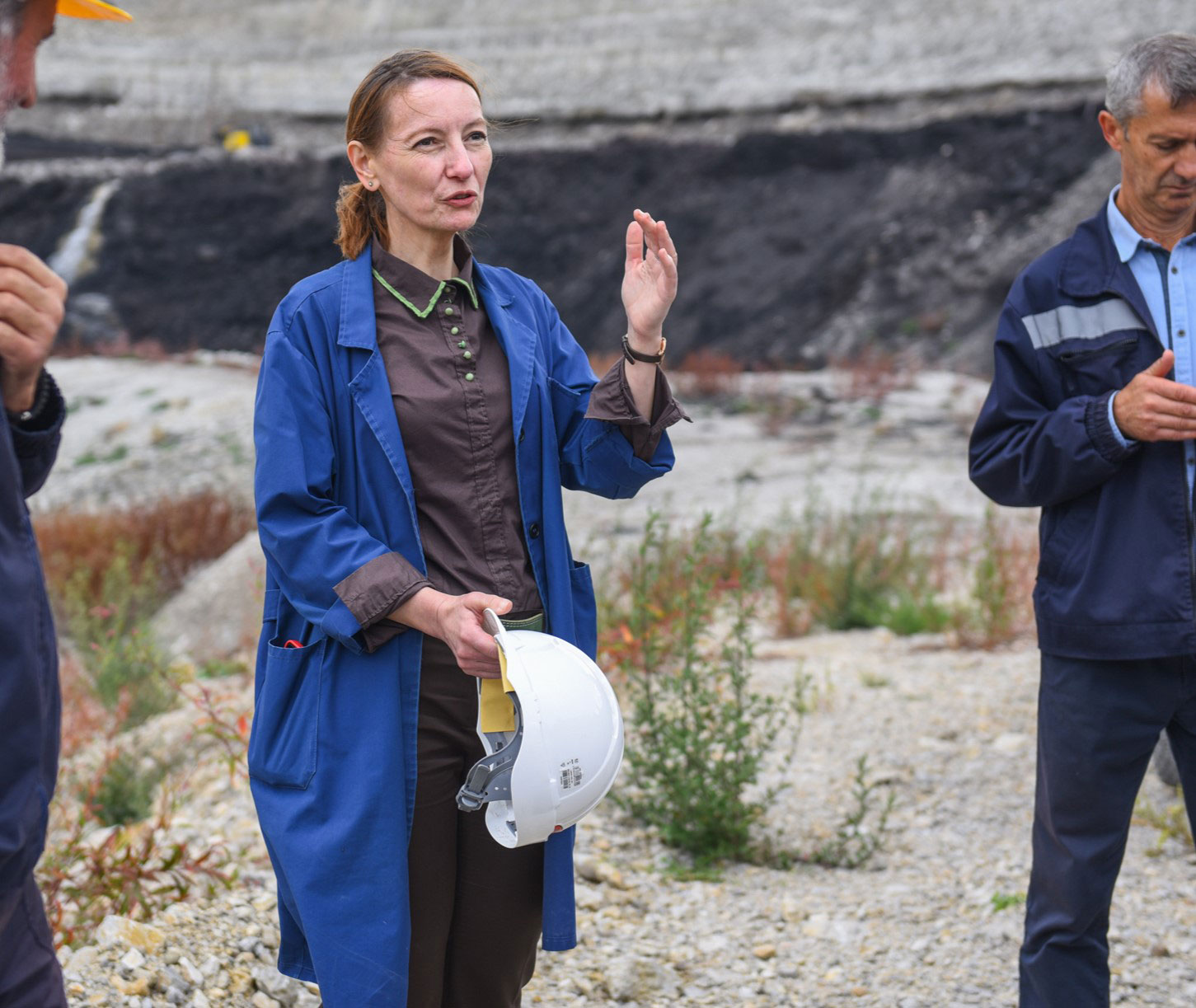
This sector remains among the least gender-informed in Montenegro. Women are underrepresented in key...
Women produce nearly 60% of published news content but are significantly underrepresented as sources...
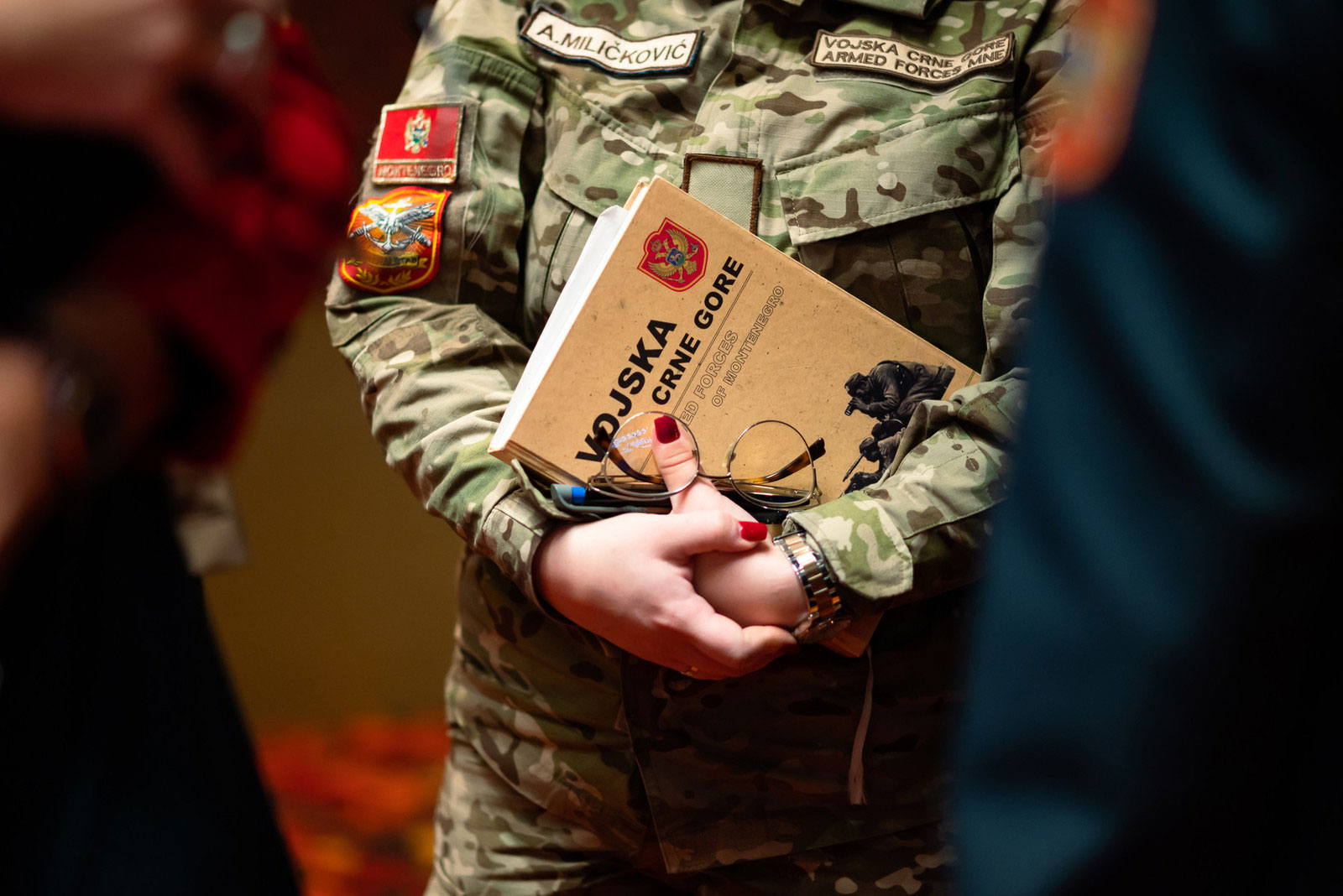
Women make up 16.52% of Montenegro's Armed Forces, including civilians, 12.04% of professional milit...
© 2025 Gender Profile, All Rights Reserved
